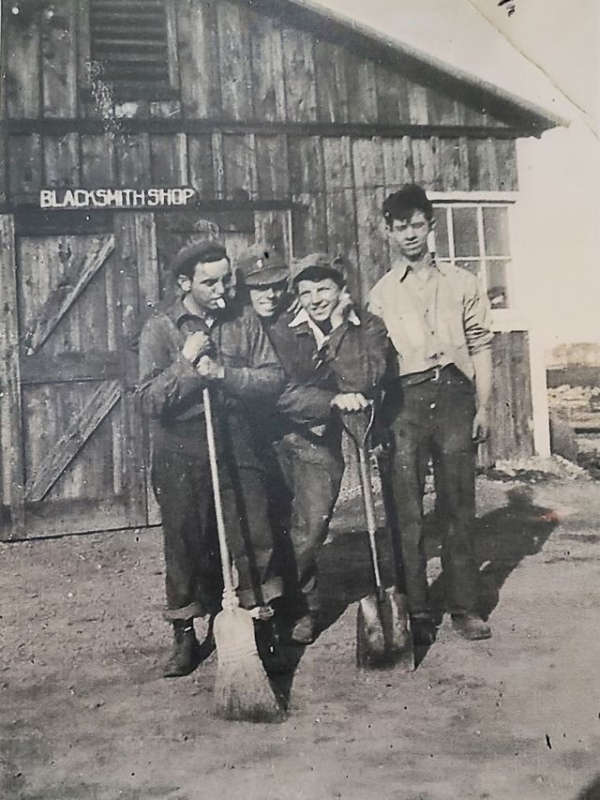
Hamlin, New York
Civilian Conservation Corps (CCC) Camp
The Civilian Conservation Corps (CCC) was established in 1933 as part of Franklin D. Roosevelt’s New Deal Program, which aimed to lift the United States out of the Great Depression. During a period when unemployment reached 25%, the program allowed young men aged 18 to 26 to receive welfare by enlisting to improve public lands, parks, and forests.
Enlistments lasted six months, with men paid $1 per day. On payday, at the end of each month, $25 was sent home to their families, while the enlistees retained $5 for personal use. In addition to the $30 monthly wage, the CCC provided three meals a day, clothing, beds, medical care, recreation, and various educational opportunities.
By the time the program ended in 1942, over three million young men had served in more than 4,500 camps across the country.
1933
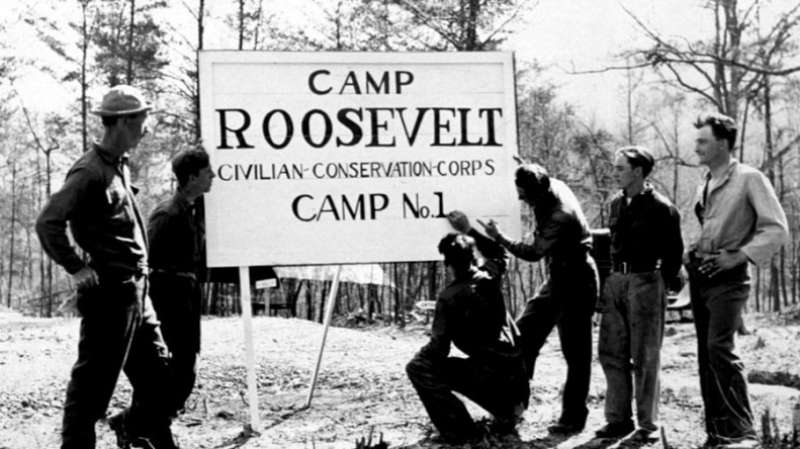
The Beginning of the Civilian Conservation Corps (CCC)
Within just 40 days of his election, Roosevelt launched the Civilian Conservation Corps (CCC) program, appointed its first director, signed up the first enlistee, and established the first camp. Two and a half months later, 275,000 men had enrolled, and 1,300 camps were operational.
The program’s success led to an expansion of its projects, including road building, bridge and dam construction, farmland reclamation, and the creation of parks at all levels. This expansion eventually resulted in the establishment of Hamlin’s CCC camp.
1935
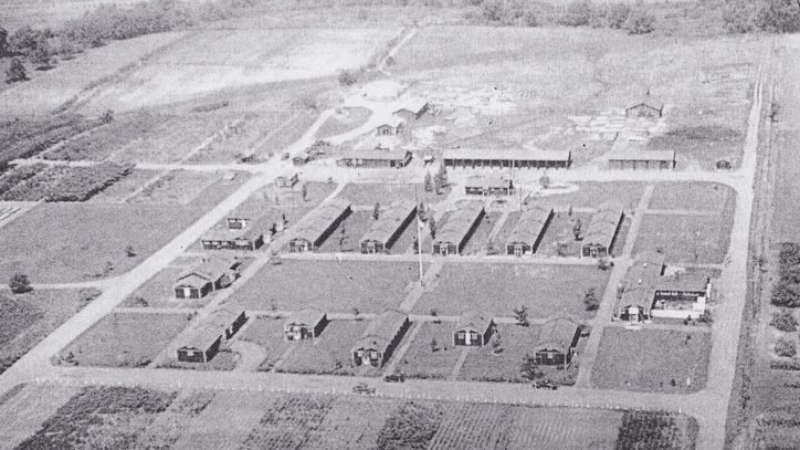
Turning Hamlin Into a State Park
In 1935, the New York State government proposed converting a modest county park along Hamlin’s Lake Ontario shore into a state park. This initiative aligned perfectly with the CCC’s mission, leading to the establishment of a camp in Hamlin.
1935-1941
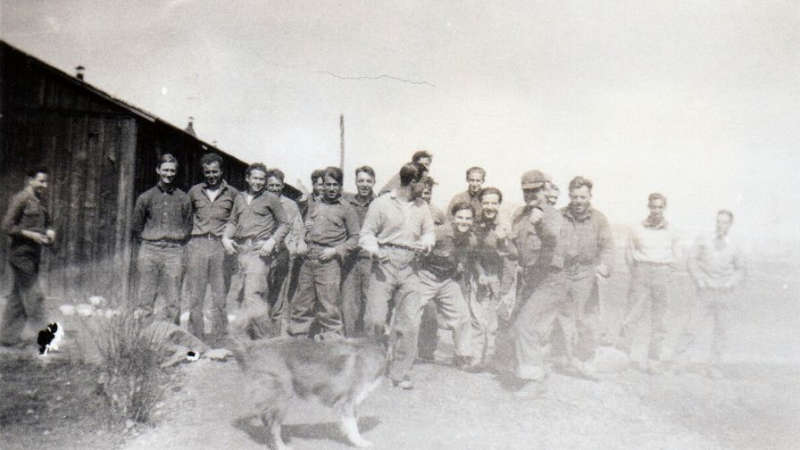
Life at the Hamlin CCC Camp
The Hamlin camp was built to house 200 enlistees and up to 50 support staff. The five barracks, each over 100 feet long and 20 feet wide, contained 40 cots and three large coal-burning stoves for heat.
The Mess Hall, the largest building in the camp, could feed 250 men in one sitting, ensuring ample space for comfortable dining. The Recreation Building was nearly as important, housing a camp store for purchasing essentials and a stage for weekly entertainment competitions. Winners of these competitions were rewarded with trips to Rochester to attend sports events and enjoy ice cream.
1942
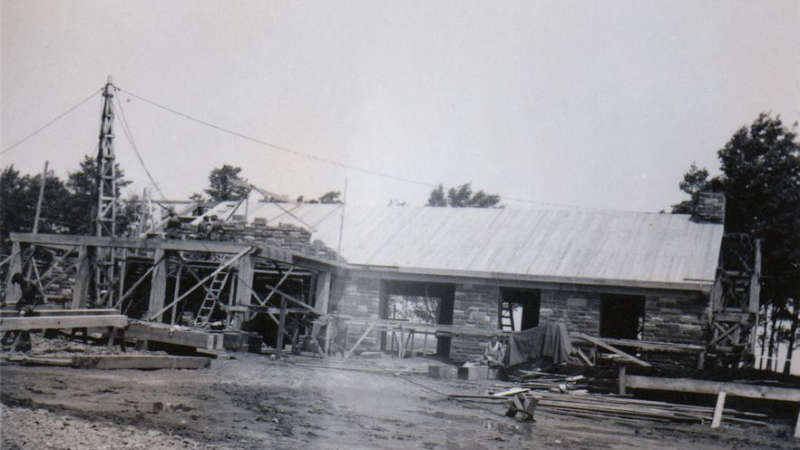
The End of the Civilian Conservation Corps (CCC) Program
In 1942, the Civilian Conservation Corps (CCC) program was discontinued due to World War II, which provided ample employment opportunities for those even not serving as soldiers. By this time, over three million young men had served in more than 4,500 CCC camps nationwide.
The Hamlin CCC camp closed earlier in 1941 due to a lack of enlistees in the area. The camp remained undismantled, with a caretaker overseeing it until new uses were found.
1943
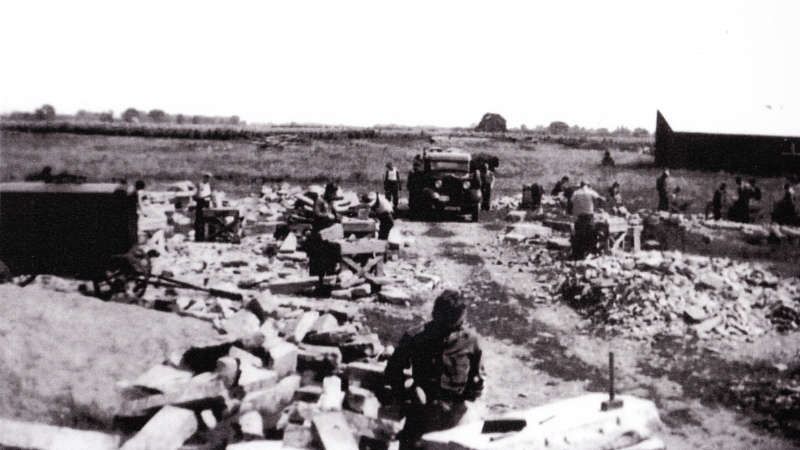
The Future of The Hamlin CCC Camp
In 1943, migrant workers lived in the camp during the summer to alleviate labor shortages caused by the war. Italian prisoners of war occupied the camp in the fall, followed by German prisoners of war in 1944. In January 1946, the last German prisoners left, and the camp was closed.
Over time, the buildings were either removed or left to deteriorate. In 1956, a tree nursery project was briefly established but soon abandoned, resulting in significant damage to the historic site. Subsequently, the site was used by the Park system and the NYS Department of Transportation to store surplus materials, while nature reclaimed the area.
1983
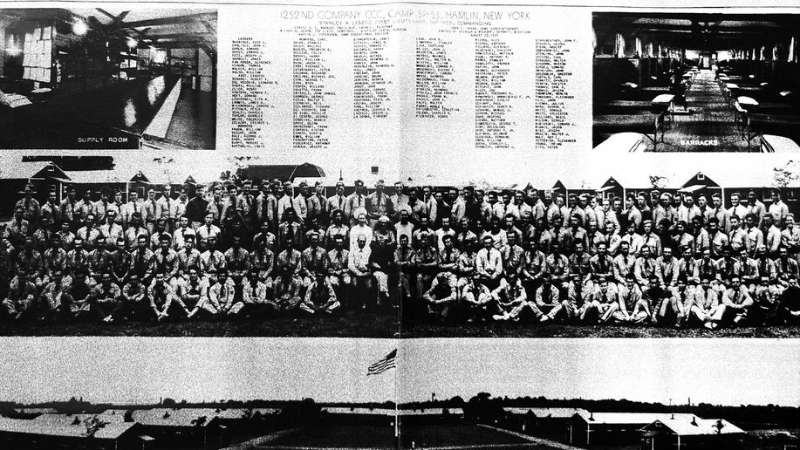
Reunion of The Hamlin CCC Camp
In 1985, Town Historian Mary Smith organized the second reunion of the Hamlin CCC camp, her first being in 1980. Ed Evans, then a Councilman for the Town of Hamlin and liaison to the Town Historian, explored the camp’s remains and became motivated to restore and preserve its historical significance.
Through the efforts of Ed Evans and other volunteers, the campsite was restored by 20XX. Over XX years, they uncovered old infrastructure and numerous artifacts, now proudly shared with the public.
Tour the Hamlin CCC/POW Camp Site
All visitors are welcome to visit the camp site! Our easy-to-follow self-tour guide will help you learn more about the history of the grounds and each restored building sites of the previous CCC & POW camps.