Hamlin, New York
Prisoner of War (POW) Camp
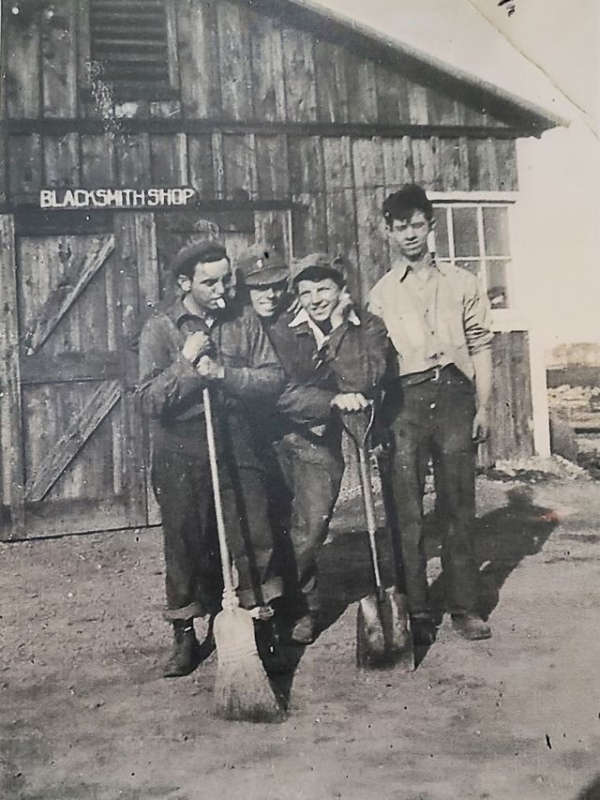
Originally established as a Civilian Conservation Corps (CCC) camp, Hamlin’s site was converted into a Prisoner of War camp in 1944, and remained in operation until 1946.
Beyond being one of the few well-preserved camps of its kind in the United States, Hamlin’s site has another unique distinction: it’s one of the only 377 World War II Prisoner of War branch camps nationwide. Today, most of these sites are remembered only by roadside markers or dots on a map; only a small number have spawned museums or have been reconstructed.
Through the dedication of our volunteers, we’ve been able to connect with former prisoners held at the site, preserving and sharing their firsthand accounts of life inside the camp.
1941
Closure of the Civilian Conservation Corps (CCC) Camp
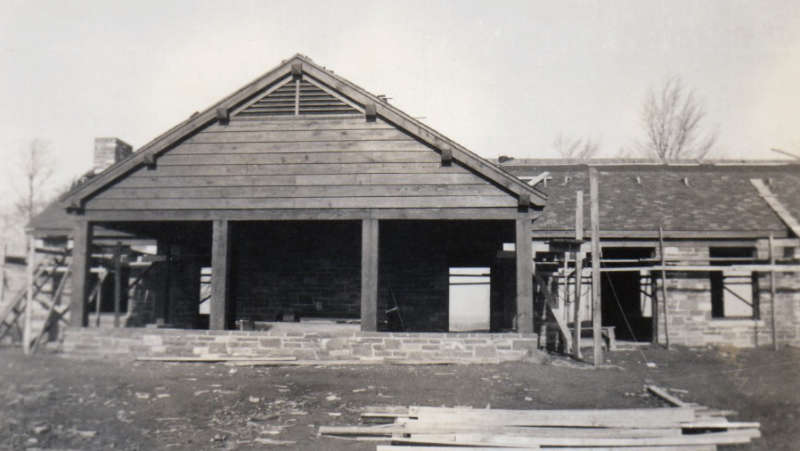
As enrollment in the Civilian Conservation Corps declined in the early 1940s, due to the nation’s shift toward wartime mobilization, the Hamlin CCC camp was officially closed in 1941.
Rather than being dismantled, the site was left intact, with a caretaker hired to maintain the buildings and grounds.
1943
Temporary Housing for Migrant Workers & Italian POWs
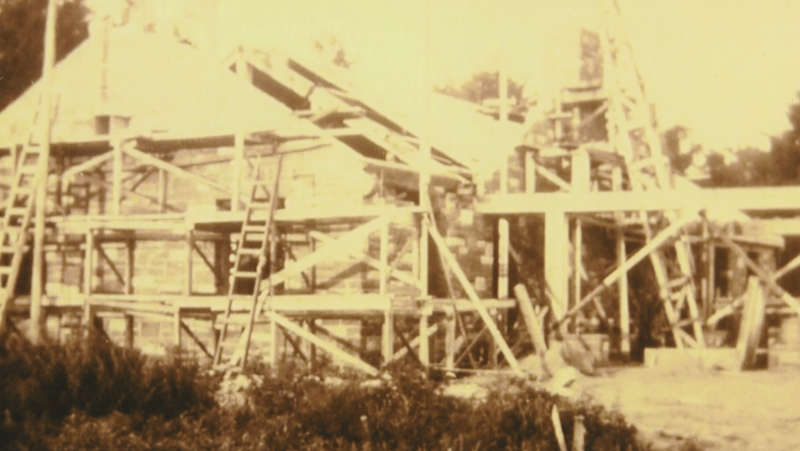
In 1935, the New York State government proposed converting a modest county park along Hamlin’s Lake Ontario shore into a state park. This initiative aligned perfectly with the CCC’s mission, leading to the establishment of a camp in Hamlin.19
1944
Turning Hamlin’s Site Into a Prisoner of War (POW) Camp
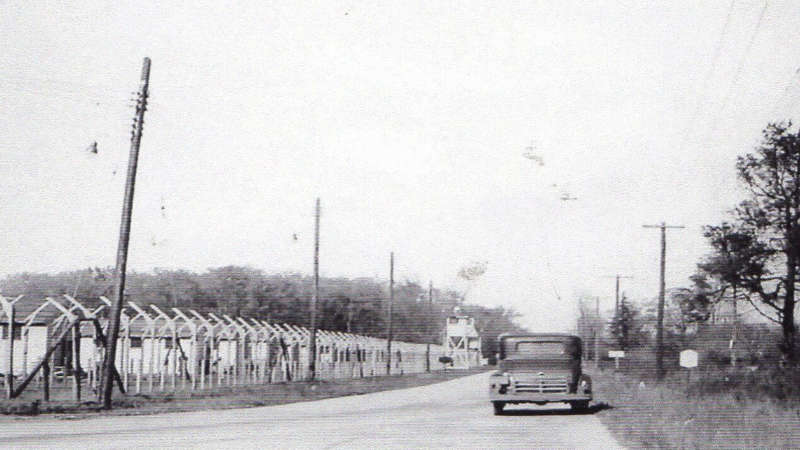
In 1944, the camp was officially converted to house German prisoners of war. The transition was funded in part by local farmers and canning factory owners who were required to contribute.
To make the shift, the camp was modified for security and function. Various buildings like garages and the blacksmith shop were removed, while barbed wire fencing and four guard towers were added. The barracks were also rearranged, including changes to bed placement.
1946
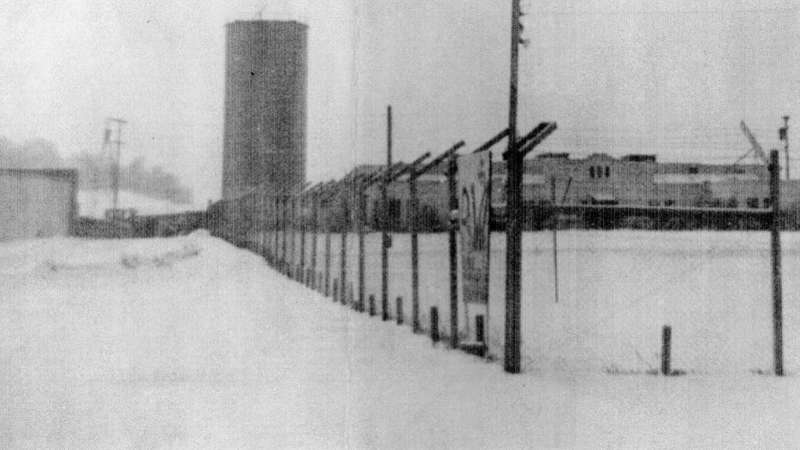
The End of Hamlin’s Prisoner of War (POW) Camp
In January 1946, the camp officially shut down. Like before, it wasn’t dismantled, just left standing, marking the end of its time as a POW camp.
Table of Contents
- Closure of the Civilian Conversation Corps (CCC) Camp
- Temporary Housing for Migrant Workers & Italian POWs
- Turning Hamlin’s Site Into a Prisoner of War (POW) Camp
- The End of Hamlin’s Prisoner of War (POW) Camp
- Herbert Holluba’s POW Story
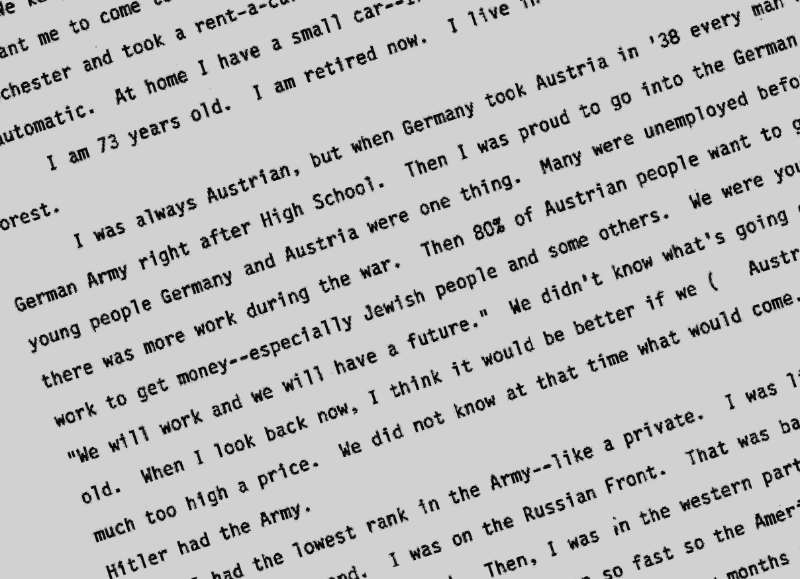
A Prisoner of War’s Story: Herbert Holluba’s Recount of Hamlin’s POW Camp
Read through Herbert Holluba’s story and get a firsthand account of how he became a prisoner of war at the Hamlin’s POW Camp. Learn what everyday life was like for him there, alongside his reflections on work assignments and his relationships with guards and fellow prisoners.
Tour the Hamlin CCC/POW Camp Site
All visitors are welcome to visit the camp site! Our easy-to-follow self-tour guide will help you learn more about the history of the grounds and each restored building sites of the previous CCC & POW camps.